
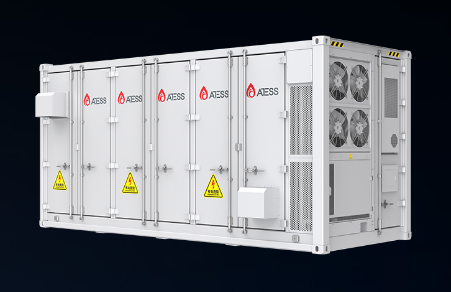
For microgrid operators, selecting an enclosure for energy storage directly affects system reliability. A well-designed battery cabinet helps manage charge cycles and protects cells from environmental stress. Atess understands these operational demands, so they build cabinets that integrate smoothly with microgrid controllers. Their approach avoids over-engineering while delivering consistent performance in off-grid or islanded setups.
Why Microgrids Need Dedicated Cabinets
Microgrids often cycle batteries more frequently than grid-tied systems. This repeated charge and discharge generates heat, which a proper battery cabinet dissipates through passive or active cooling. Without such features, cell degradation accelerates. Additionally, microgrids may operate in remote locations where maintenance access is limited. A robust enclosure reduces the need for frequent interventions. Atess has applied this logic to their product line, ensuring that each cabinet supports long-term stability.
Safety and Thermal Management
A lithium ion battery storage cabinet intended for microgrid use must address two risks: thermal runaway and voltage spikes. Quality cabinets include flame-retardant walls and pressure relief mechanisms. They also integrate with battery management systems to shut down during abnormal temperature rises. For microgrids that combine solar, wind, or generator inputs, voltage fluctuations are common. A reliable lithium ion battery storage cabinet smooths these variations through internal bus bars and fuses, protecting both the cells and connected loads.
Scalability for Growing Energy Needs
Microgrids rarely stay the same size over their lifetime. Adding more storage capacity should not require rewiring the entire setup. A modular battery cabinet allows parallel connections, so users expand in small increments. Similarly, a lithium ion battery storage cabinet with standardized communication ports (CAN bus, RS485) pairs easily with different inverters. This flexibility lowers future upgrade costs.
In summary, microgrid operators benefit from cabinets that prioritize thermal control, safety features, and modular expansion. Choosing a suitable battery cabinet is not about complexity; it is about matching the enclosure to real operational patterns. For further technical specifications, users can consult Atess’s battery solutions documentation.