
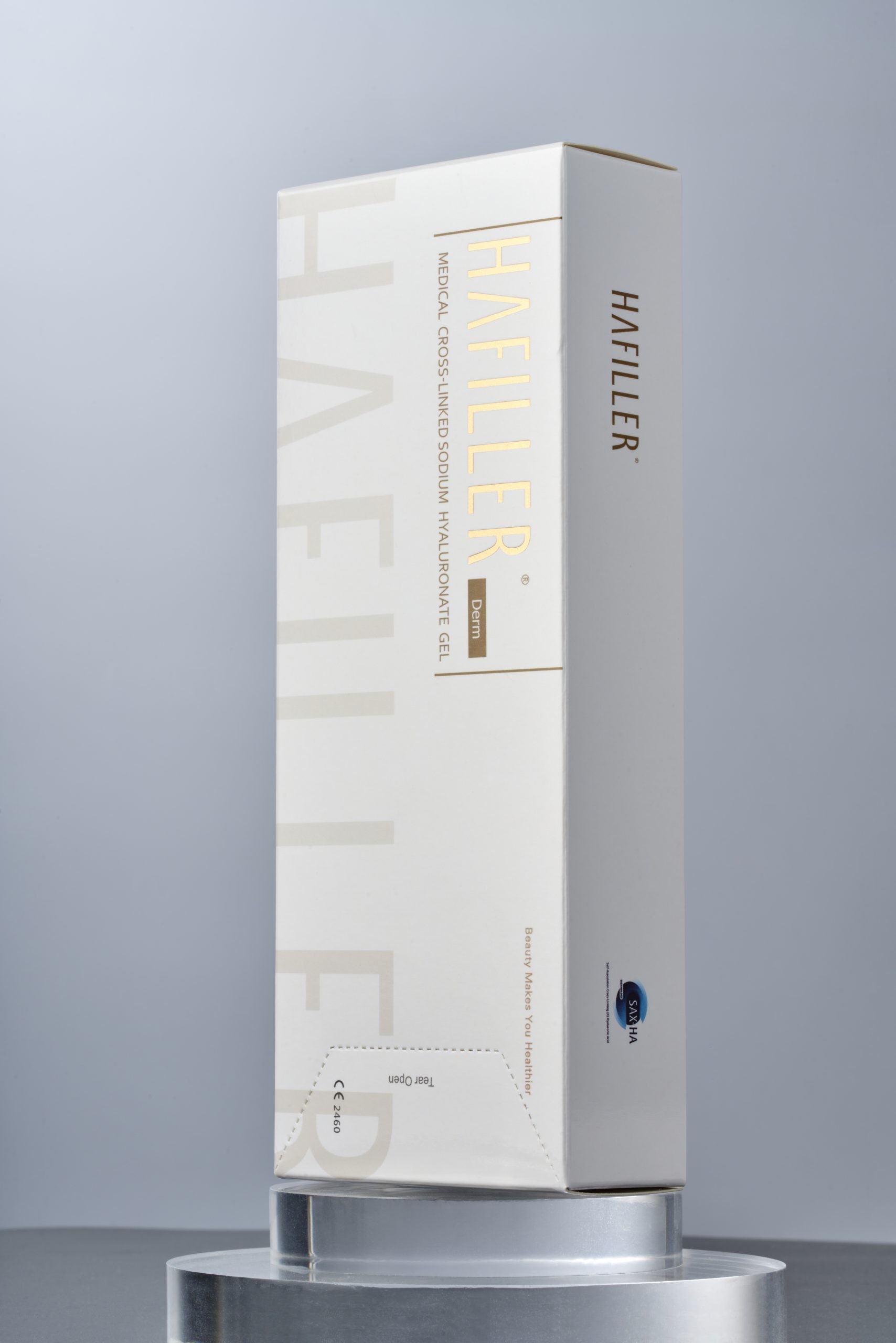
Injectable fillers are widely used in aesthetic procedures because they can help improve facial contours and support soft tissue volume. Among different materials, cross linked hyaluronic acid gel is still commonly selected for facial enhancement due to its stability and smooth texture. Many clinics also choose hyaluronic acid gel products because hyaluronic acid already exists naturally in the human body. In recent years, Jingjia Medical has continued developing dermal filler products under the HAFILLER brand, focusing on production standards, formulation consistency, and CE-certified manufacturing processes for international markets.
Material Structure and Product Stability
The structure of cross linked hyaluronic acid gel plays an important role in filler performance. Cross-linking technology connects hyaluronic acid molecules into a stronger network, helping the gel maintain shape after injection. Compared with non-cross-linked materials, this structure usually supports longer-lasting volume retention and smoother tissue integration. During clinical use, doctors often evaluate elasticity, particle uniformity, and injection flow when selecting products. Jingjia Medical manufactures HAFILLER dermal fillers through controlled production lines designed to support stable gel texture and consistent filling performance across different product specifications.
Adaptation for Different Facial Areas
Different facial regions require different filler characteristics. Softer hyaluronic acid gel products may be selected for fine lines or shallow areas, while firmer formulations are commonly used for chin shaping or deeper facial support. This flexibility is one reason why injectable fillers based on hyaluronic acid remain widely discussed in aesthetic medicine. The HAFILLER Derm includes multiple viscosity options intended for lips, nasolabial folds, cheeks, and contour applications. Jingjia Medical also emphasizes quality inspection procedures and CE-related compliance during production to support product consistency for overseas distributors and clinics.
Clinical Preference and Practical Considerations
Doctors often consider handling properties, injection smoothness, and post-treatment appearance when choosing filler materials. Cross linked hyaluronic acid gel is frequently preferred because the material can provide balanced support while maintaining a relatively natural appearance under the skin. In addition, hyaluronic acid gel products are commonly used because they can be adjusted into different particle sizes and densities according to treatment needs. Manufacturing conditions also influence final product quality. Jingjia Medical operates standardized production facilities and applies process controls intended to support sterile filling and batch consistency for the HAFILLER product line.
Conclusion: Ongoing Demand for Reliable Injectable Materials
The continued use of injectable fillers is closely related to material performance, adaptability, and manufacturing quality. Cross linked hyaluronic acid gel remains widely used because it combines structural stability with flexible formulation options for different facial areas. At the same time, hyaluronic acid gel products continue to be important in minimally invasive aesthetic procedures due to their broad application range. Through CE-certified production systems and standardized manufacturing processes, Jingjia Medical supplies HAFILLER dermal filler products for clinics and distributors seeking consistent injectable material solutions.