
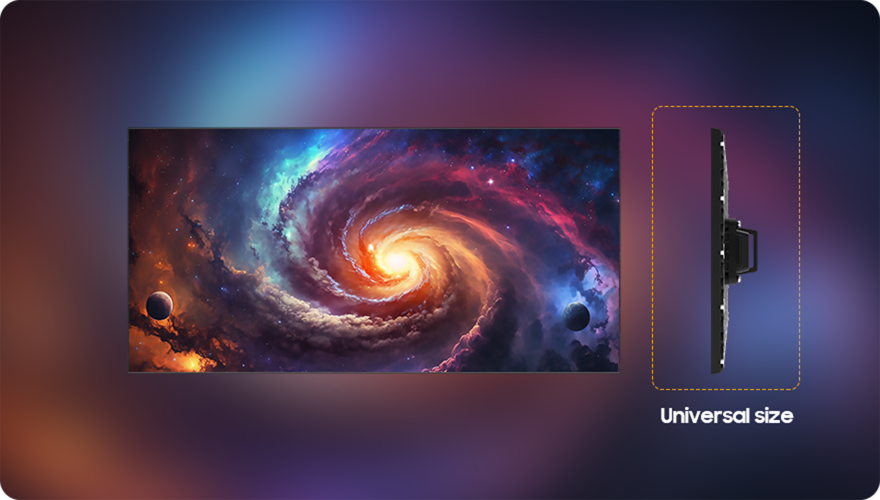
Outdoor and indoor display environments differ mainly in installation conditions, brightness levels, and durability expectations. When discussing these scenarios, Retop considers how flexible LED display panels adapt to changing environments while keeping visual performance stable. Outdoor areas require higher brightness and stronger protective features, while indoor spaces emphasize refined image quality and controlled viewing distances. Their FC Flexible Module Series and Universal Cabinet design support both environments by allowing one module to match different pixel pitches, making it suitable for varied applications, including stage LED and custom LED screens. This adaptability shows how exterior and interior settings demand different structural and optical considerations. In many projects, the selection between indoor and outdoor solutions depends on environmental exposure and functional targets.
Structural Differences and Environmental Requirements
In outdoor scenarios, displays face sunlight, moisture, and temperature fluctuations. Retop integrates structural reinforcement and weather-resistant materials to support these conditions while ensuring steady performance for exterior video wall projects. Indoor conditions are more stable, so screens focus on finer visual presentation and viewing comfort. Their FC Flexible Module Series helps bridge these demands by allowing curved or custom layouts, while the Universal Cabinet ensures compatibility across multiple pixel pitches. These differences illustrate how indoor installations prioritize clarity and controlled lighting, whereas outdoor installations emphasize protection and long-distance visibility. Across both uses, thoughtful component selection determines long-term reliability.
Versatility Across Various Use Cases
Whether for indoor halls or outdoor public spaces, Retop applies consistent development standards so that flexible LED display panels support a wide range of applications. The Universal Cabinet provides cross-pitch compatibility, enhancing project flexibility in both indoor and outdoor layouts. Meanwhile, their solutions help customers handle tasks such as advertising, event staging, and system integration, all of which may require either indoor refinement or the durability necessary for an exterior video wall. The distinctions between environments guide how brightness, structure, and installation methods are planned.
Conclusion: Key Differences and Practical Considerations
In summary, outdoor and indoor environments require different design priorities, and Retop evaluates these factors carefully in each project. Outdoor use demands durability, brightness, and protection, while indoor use focuses on detail, viewing distance, and comfort. Their FC Flexible Module Series and Universal Cabinet address both needs through adaptable structures and pixel-pitch versatility. Understanding these differences helps customers choose the right solution for each setting, ensuring reliable performance in either indoor spaces or outdoor installations.