
In the ever-evolving landscape of retail technology, a digital price tag, often referred to as an electronic shelf label (ESL), has become a pivotal solution for retailers. These devices enable businesses to display pricing and product information electronically, offering a modern alternative to traditional paper tags. Understanding what a digital price tag is and how it functions can help retailers optimize their operations and enhance customer experiences.
Defining Digital Price Tags
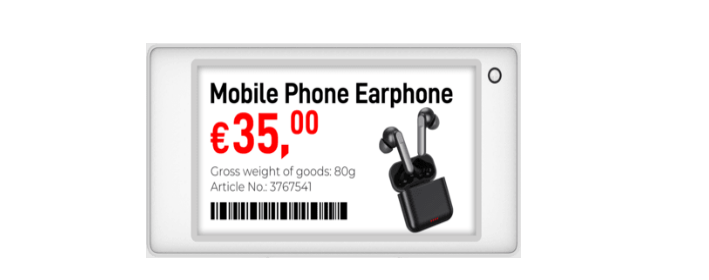
A digital price tag is an electronic device used to display pricing and product details on retail shelves. Unlike conventional labels, which require manual updates, digital price tags allow for remote updates through a centralized system. This technology enables retailers to manage pricing dynamically, ensuring that customers receive the most accurate information at all times.
One notable provider of these digital solutions is Hanshow, known for its advanced ESL products. Hanshow ESLs feature various capabilities, including high-resolution displays and robust communication technologies, that facilitate seamless updates and enhance operational efficiency. Retailers can change prices, promotional messages, and inventory statuses instantly, eliminating the risks associated with manual pricing errors.
Moreover, digital price tags contribute to a more sustainable retail environment by reducing paper waste. As businesses transition to electronic shelf labeling, they minimize their impact on the environment while enjoying the benefits of enhanced visibility and customer engagement.
Benefits of Implementing Digital Price Tags
The advantages of adopting digital price tags extend beyond mere convenience. One of the primary benefits is improved operational efficiency. Retailers can quickly update pricing across all locations, saving time and reducing labor costs traditionally associated with manual label changes. By streamlining this process, employees can focus more on customer service and less on back-end tasks.
Furthermore, digital price tags significantly decrease the likelihood of pricing errors. In a manual system, discrepancies frequently occur between shelf prices and checkout prices, leading to customer dissatisfaction. With Hanshow ESLs, retailers can be confident that all displayed pricing is accurate and up-to-date, fostering consumer trust and enhancing the shopping experience.
Digital price tags also support dynamic pricing strategies, allowing retailers to adjust prices in response to market trends or sales strategies. This flexibility is crucial in today’s competitive retail landscape. Retailers can implement promotions, discounts, or price changes efficiently, influencing purchasing behavior and driving sales.
Optimizing Retail with Digital Price Tags
Digital price tags represent a significant advancement in retail technology, providing benefits that are essential for modern operations. By adopting electronic shelf labeling systems, retailers can improve efficiency, enhance accuracy, and elevate customer experiences. The integration of solutions from leading brands like Hanshow can facilitate this transition, offering cutting-edge technology that meets the demands of today’s retail environment.
Understanding the functionalities and advantages of digital price tags can help businesses leverage this technology to stay competitive. As the retail sector continues to evolve, embracing electronic shelf labels will become increasingly vital for success. By investing in digital price tags, retailers position themselves for improved operational performance and a more sustainable business model.