
As the adoption of renewable energy systems grows, questions about the safety and efficiency of hybrid inverters arise. A common query among businesses and homeowners is whether earthing is necessary for hybrid inverters, particularly the 15kW and 20kW models. Understanding the role of earthing in a hybrid inverter can help ensure safety and optimal performance in various applications.
Why Earthing Matters
Earthing serves as a critical safety measure for electrical installations, including hybrid inverters. For units like the 15kW hybrid inverter and the 20kW hybrid inverter, grounding helps prevent electrical shock hazards and equipment damage. When properly earthed, the system can redirect unwanted electrical surges—caused by lightning strikes or faults—safely into the ground, mitigating risks to both individuals and property. This is particularly vital in commercial settings, where operational reliability and safety standards are paramount.
Implications for Installation
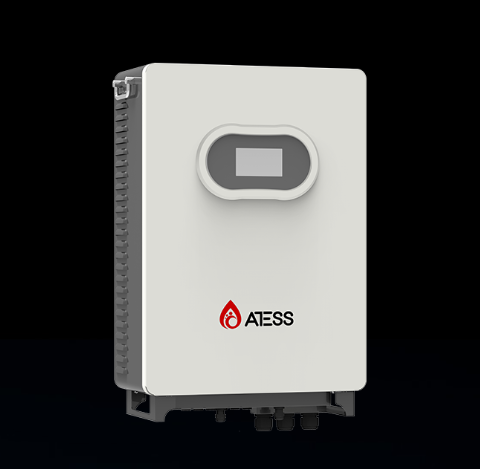
When installing a hybrid inverter 15kW, such as the ATESS HPS15000TL/20000TL series, ensuring proper earthing should be a priority. This is especially true in environments where the inverter may be subjected to adverse weather conditions or where sensitive equipment coexists. The seamless transfer capability of the HPS series, with a switch time of just 10 milliseconds, underscores the importance of stable electrical conditions. Without adequate earthing, the performance and longevity of the inverter could be jeopardized, leading to costly repairs or replacements.
Enhancing Safety and Performance
Choosing to install a hybrid inverter without earthing can pose significant risks, particularly in off-grid applications such as remote homes, agricultural operations, and construction sites. By investing in a well-earthened setup for the 15kW and 20kW hybrid inverter systems, businesses can enhance safety while ensuring reliable energy independence.
ATESS’s HPS series not only provides robust off-grid performance but also highlights the importance of safety in renewable energy installations. Prioritizing earthing in your hybrid inverter setup can safeguard your investment and ensure a dependable energy solution for years to come.