
First aid knowledge has become one of the most practical and valuable skills a person can develop in modern life. Emergencies can happen unexpectedly at home, in workplaces, during travel, or in public settings. Having the ability to respond quickly and effectively can make a major difference in protecting health and safety. This is why more individuals are recognising the importance of completing first aid courses as part of both personal development and professional advancement.
Learning first aid is not limited to healthcare workers or emergency responders. Parents, teachers, office employees, fitness instructors, and community volunteers all benefit from understanding how to react during critical situations. Many people searching for first aid courses Bundaberg are doing so because they want to feel more prepared for everyday emergencies while also improving their workplace qualifications.
Building Confidence in Emergency Situations
One of the biggest advantages of first aid education is the confidence it creates. During an emergency, panic and confusion often prevent people from responding properly. First aid training teaches individuals how to remain calm, assess situations carefully, and provide immediate assistance until professional medical help arrives.
This confidence extends far beyond emergencies. People who complete training programs often develop stronger decision-making skills, improved awareness, and greater personal responsibility. Knowing how to manage injuries, burns, choking incidents, or sudden illnesses creates peace of mind in daily life.
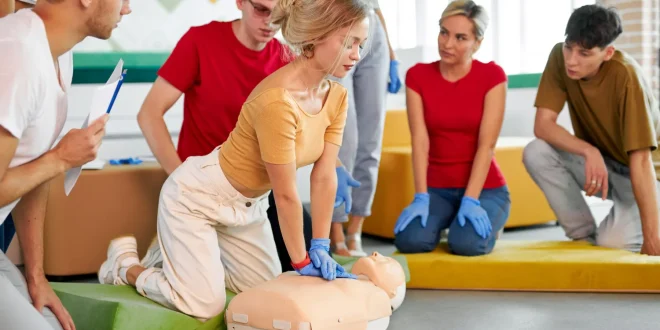
Many participants in first aid training Bundaberg programs appreciate the hands-on learning experience because it prepares them for real-world scenarios rather than just theoretical situations. Practical exercises help learners become more comfortable handling stressful moments with a clear and focused mindset.
Supporting Career Development
First aid certification has become increasingly valuable in professional environments. Many industries now prioritise safety training and emergency preparedness as part of workplace standards. Employees with first aid qualifications are often viewed as reliable, proactive, and capable of contributing to a safer work culture.
Industries such as childcare, hospitality, construction, education, healthcare, and fitness commonly require staff members to maintain current first aid certificates. Even in office settings, employers appreciate workers who can assist during emergencies and support workplace health initiatives.
Completing CPR and first aid courses Bundaberg can also improve career opportunities by strengthening resumes and demonstrating practical skills beyond technical job knowledge. Employers value candidates who show leadership qualities and a willingness to take responsibility for the well-being of others.
Encouraging Community Awareness
First aid education also plays an important role in creating safer communities. When more people understand emergency response techniques, communities become better prepared to handle accidents and medical incidents before paramedics arrive.
Simple actions such as performing CPR, assisting someone experiencing a seizure, or helping during a workplace injury can significantly improve outcomes. Training encourages individuals to become active contributors to public safety rather than passive observers during emergencies.
Community awareness grows stronger when first aid knowledge is widely shared. Families become more prepared at home, schools improve safety practices, and workplaces strengthen emergency response procedures. These benefits extend beyond individual participants and positively affect entire communities.
Developing Lifelong Skills
Unlike many short-term educational programs, first aid training provides skills that remain useful throughout life. The ability to respond during emergencies is valuable regardless of career path, age, or lifestyle. People carry these skills into family environments, workplaces, sporting activities, and public situations.
First aid courses also encourage continuous learning. As medical recommendations and emergency procedures evolve, refresher courses help individuals stay informed about the latest techniques and safety standards. This ongoing learning process strengthens confidence and keeps emergency response skills current.
Another important aspect of first aid education is adaptability. Training programs often teach people how to handle different types of emergencies involving adults, children, infants, and workplace incidents. This broad understanding increases versatility and prepares individuals for various situations they may encounter in life.
Conclusion
First aid education offers benefits that extend far beyond certification alone. It strengthens confidence, improves career opportunities, supports safer communities, and provides lifelong practical skills that can make a meaningful difference during emergencies. As awareness of safety and preparedness continues to grow, more individuals are recognising the value of learning these essential skills.
Whether for personal confidence or professional advancement, first aid training remains one of the most worthwhile investments people can make in themselves and the well-being of those around them.