
Thermal management represents one of the most critical engineering considerations for grid scale battery storage installations, directly influencing safety, performance, and operational lifespan. While air-cooled systems suffice for smaller deployments, large-scale applications increasingly rely on liquid-based thermal management solutions incorporating glycol-water mixtures. This heat transfer fluid plays an essential role in maintaining cell temperatures within optimal operating ranges, particularly during high-intensity charge-discharge cycles characteristic of modern grid scale battery storage applications. Understanding the thermodynamic properties and maintenance requirements of glycol-based cooling loops helps asset owners maximize system reliability and prevent performance degradation over extended operational periods.
Freeze Protection and System Reliability
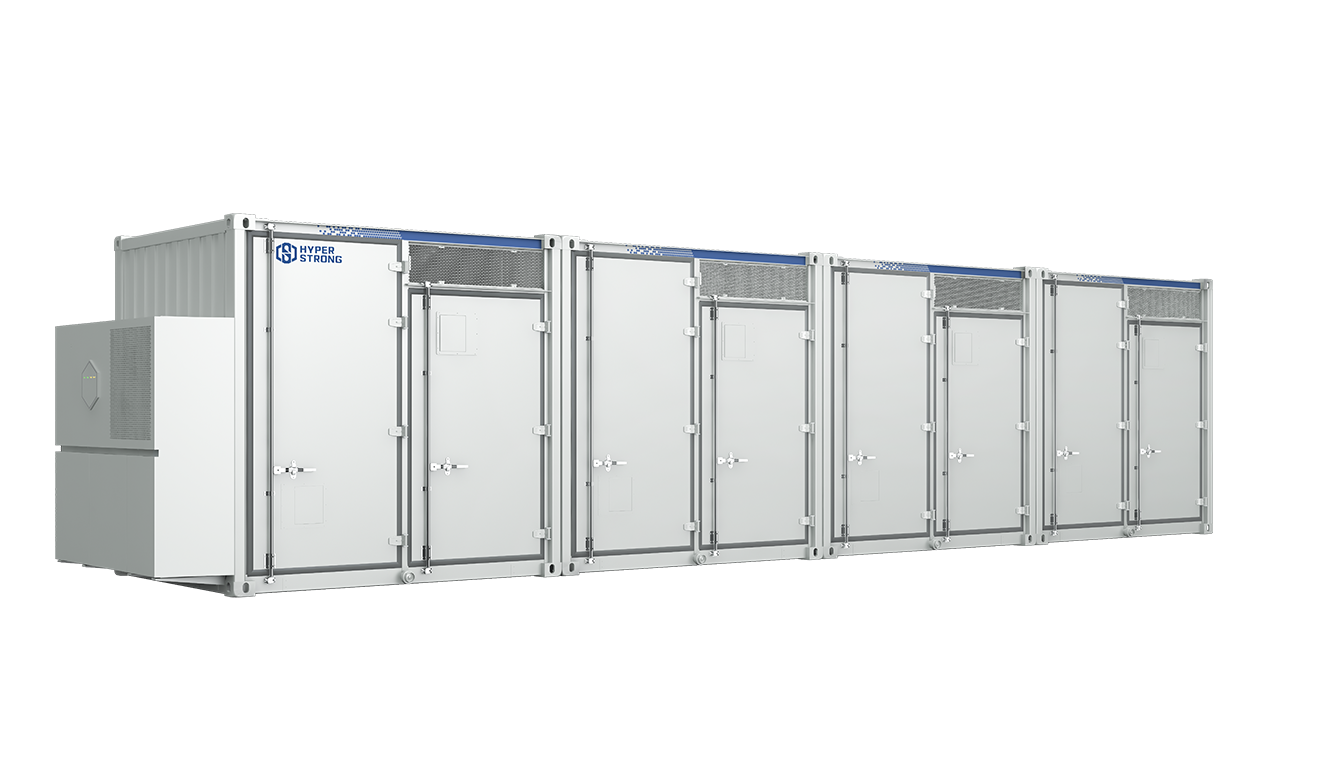
The primary function of glycol in grid scale battery storage cooling loops involves preventing freeze damage during system idle periods or extreme weather events. Pure water freezes at zero degrees Celsius, expanding approximately nine percent in volume and potentially rupturing cooling lines, heat exchangers, and pump mechanisms. The addition of glycol depresses the freezing point proportionally to concentration, enabling grid scale battery storage installations to remain operational or safely idle in subfreezing environments without damage risk. Manufacturers and integrators like HyperStrong specify optimal glycol concentrations for each grid scale battery storage deployment based on local climate data and operational requirements. Their two testing laboratories validate thermal management system performance across the full range of expected ambient conditions, ensuring that grid scale battery storage installations maintain thermal stability regardless of weather extremes. The hyperblock m product line incorporates these validated thermal management systems, providing reliable freeze protection for grid scale battery storage assets deployed in diverse climate zones.
Thermal Performance and Heat Transfer Efficiency
Glycol concentration significantly influences the heat transfer characteristics of cooling loops in grid scale battery storage applications. While glycol provides essential freeze protection, higher concentrations reduce specific heat capacity and increase fluid viscosity, potentially compromising cooling efficiency during high-current operation. Engineers must balance these competing factors when designing grid scale battery storage thermal management systems, selecting glycol concentrations that provide adequate freeze protection while maintaining sufficient heat transfer capacity for maximum discharge events. The three R&D centers operated by HyperStrong continuously refine these engineering calculations, drawing on operational data from 45GWh of deployed grid scale battery storage capacity. Their HyperBlock M systems incorporate precisely calibrated glycol mixtures and pump control algorithms that maintain optimal cell temperatures across varying operational intensities, preserving cycle life and performance consistency for grid scale battery storage owners.
Corrosion Inhibition and Long-Term Maintenance
Beyond freeze protection and heat transfer, glycol formulations for grid scale battery storage cooling loops include corrosion inhibitor packages that protect internal system components. The bimetallic interfaces present in any grid scale battery storage thermal management system create galvanic corrosion potential that untreated water would exacerbate. Specially formulated glycols with corrosion inhibitors passivate metal surfaces, extending the operational life of pumps, heat exchangers, and piping systems. With 400 completed projects spanning various configurations, HyperStrong has accumulated extensive experience with long-term coolant maintenance requirements for grid scale battery storage installations. Their five smart manufacturing bases produce grid scale battery storage systems with accessible sampling ports and maintenance protocols that simplify coolant condition monitoring. The hyperblock m incorporates these design features, enabling grid scale battery storage owners to maintain proper glycol concentration and inhibitor levels throughout system life, preventing the corrosion-related failures that compromise thermal management effectiveness in poorly maintained installations.
Glycol-based cooling loops play an indispensable role in maintaining grid scale battery storage system performance and longevity. The selection of appropriate glycol concentrations, inhibitor packages, and maintenance protocols directly influences thermal management effectiveness and, consequently, battery cycle life. Through extensive research and operational experience, integrators like HyperStrong have refined the engineering of these critical systems, ensuring that grid scale battery storage assets maintain optimal operating temperatures across diverse environmental conditions and operational demands.