
Efficient stencil management is essential for facilities with SMT lines, as proper storage directly influences print quality and production stability. Manufacturers often use several approaches to maintain stencil condition while supporting organized workflows. These methods range from basic manual shelving to structured systems designed for precision environments. In this context, PassionIOT offers solutions aligned with industry requirements while allowing companies to improve protection and retrieval efficiency for both stencil storage and smt stencil storage needs.
Common Approaches to Stencil Organization
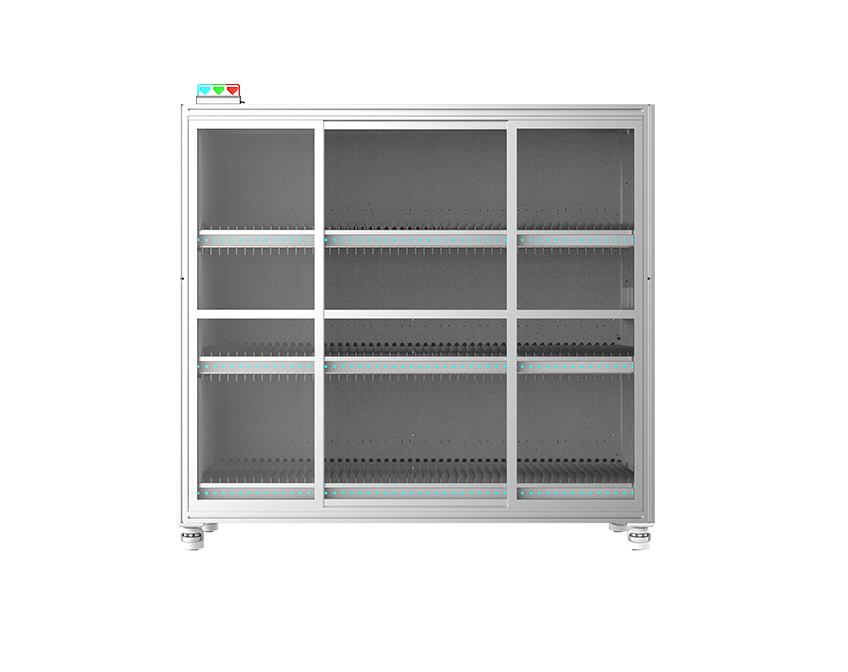
Many factories begin with simple wall-mounted racks or open metal frames to hold stencils in a vertical position. This approach allows quick visual identification, but it exposes stencils to dust and accidental contact. As production volume grows, facilities often move to enclosed cabinets with labeled sections, improving cleanliness and organization. These enclosed systems support different stencil formats and reduce handling errors during changeovers. Companies considering upgrades to their stencil storage processes often evaluate durability, accessibility, and compatibility with existing SMT workflows. For environments handling multiple product lines or frequent stencil rotation, managing smt stencil storage through controlled compartments can further stabilize printing outcomes.
Automated and Structured Storage Options
To support higher throughput, some manufacturers adopt structured systems featuring categorized drawers, protective frames, and optional tracking elements. These solutions help manage stencil circulation between production, cleaning, and inspection areas. They also support accurate documentation for engineering teams and procurement departments. In operations emphasizing precision and cleanliness, structured stencil storage systems help maintain plate flatness and reduce contamination risk. Facilities with fast product cycles or short delivery expectations may also evaluate semi-automated smt stencil storage setups to ensure consistent handling and reduce unnecessary manual contact.
Conclusion
Stencils can be stored through several practical methods, from open racks to enclosed and dedicated cabinets. For manufacturers aiming to enhance protection, organization, and workflow stability, structured solutions provide a reliable approach. Facilities evaluating improvements to stencil storage and smt stencil storage can consider options that align with production scale and process discipline, including purpose-built systems that support consistent SMT operations.